
Time for a new system?
Replacing Central Air in Snellville, GA
A clear answer on whether to repair or replace, followed by a system matched to your house and priced in full before installation day.
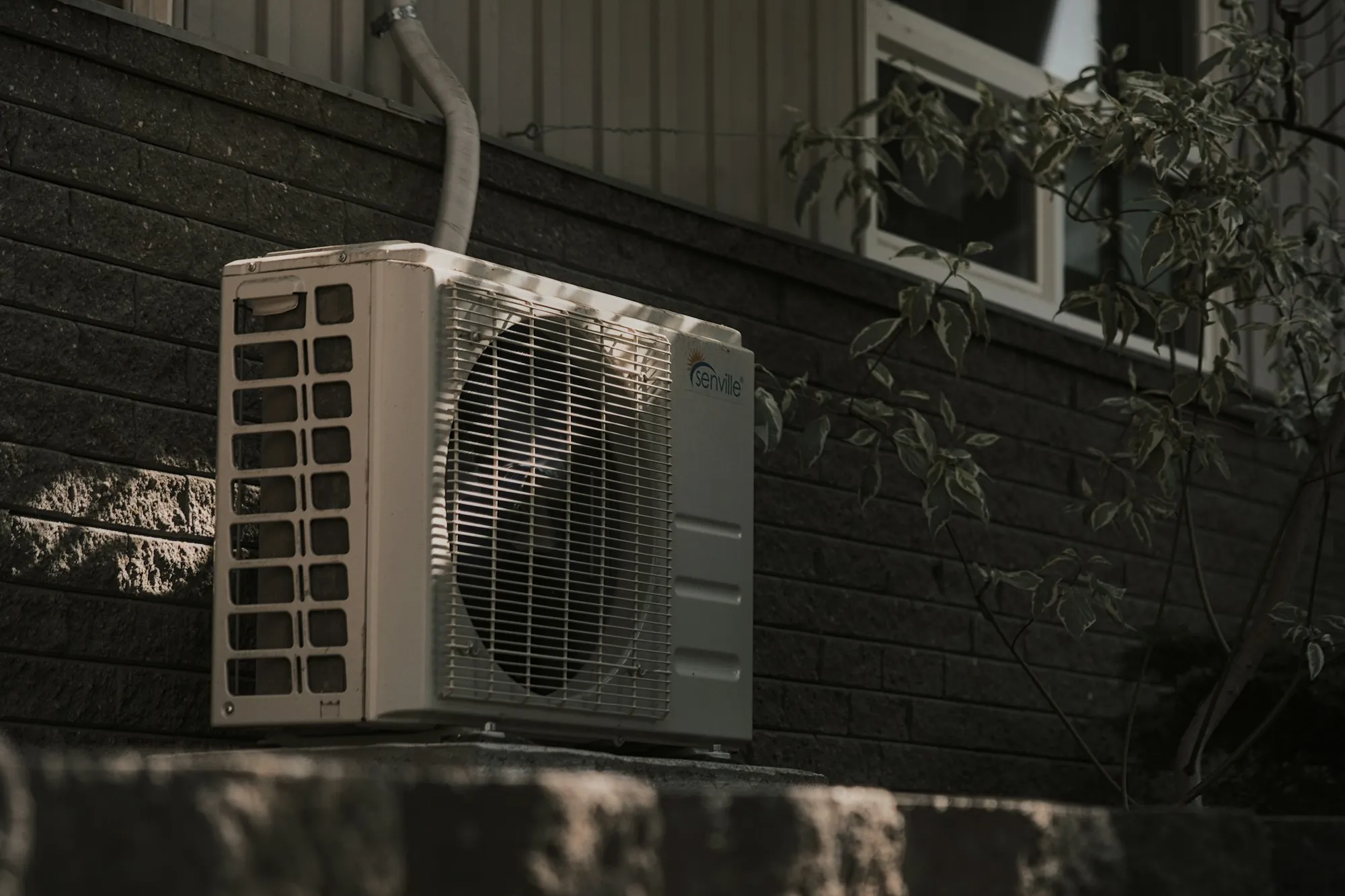
Replacing an AC Is a Decision Worth Taking Slowly
A new air conditioner is one of the larger purchases a homeowner makes, and it shapes your comfort and your power bills for a long time afterward. That is why the conversation starts with whether you need one at all. We look at the age of the current system, how often it has needed repairs, what those repairs have cost, whether some rooms lag behind others and what it costs to run each month. Sometimes the honest answer is that a repair makes more sense, and we will tell you so. When replacement is the better path, sizing comes next. Oversized equipment chills the air in short blasts and quits before wringing out the moisture, so the house feels damp, and undersized equipment never catches up when the afternoon peaks. Capacity is worked out from your square footage, insulation, windows and existing ductwork, and the indoor coil is paired with the condenser it was engineered to run beside. Efficiency ratings such as SEER2 matter, but the quality of the installation matters just as much: a high rating means little if the ducts leak or the charge is wrong. Installation covers the line set, condensate drain, electrical connections and any permit and inspection your city or county requires, followed by startup testing and haul-away of the old equipment. You get the full price for all of it, in writing, before installation day.
What an AC Replacement Includes
Each part of the job is spelled out in the price you approve, so nothing gets added at the end.
Fix or replace, weighed honestly
The unit's age, the money already sunk into repairs, how the rooms feel and what it draws from the meter, set next to each other for you to judge.
Capacity from the house itself
Sized by insulation, glass and duct layout rather than whatever number was stamped on the old unit.
Matched indoor coil
An evaporator coil chosen to work with the new condenser, so the rating on the box is what you actually get.
Line set and drain work
Refrigerant lines and condensate drains replaced or adapted as needed, with proper insulation and slope.
Electrical connections
Disconnect, wiring and breaker matched to what the new equipment needs.
Permits handled
Filed with the city or county when required, and the inspection worked into the schedule.
First run and cleanup
Refrigerant charge, airflow and supply temperature proven on the first run, then the retired unit leaves with us.
Three Stages of a Replacement
Look at the house and the old system
A technician reviews your current equipment, ductwork and comfort problems, then walks you through whether repair or replacement makes more sense.
Agree on equipment and price
You see the recommended system, why it fits your home and the complete installed price before anything is ordered.
Install, inspect and test
The crew installs with floors protected, runs the system through startup checks and arranges any required inspection, then explains how to look after the new equipment and register it with the manufacturer.
What Makes a Replacement Go Smoothly
Repair is still on the table
If a repair is the smarter spend, you hear that first.
Sizing done properly
Equipment is matched to the house and ducts, which is what keeps rooms comfortable and humidity down.
One complete number
Coil, line set, drain, electrical, permit and haul-away are all inside the price you approve.
- Honest replacement advice
- Sized to the house
- Full price in writing
- Old unit hauled away
Is Your Air Conditioner Nearing Retirement?
Share roughly how old the unit is and how it has behaved lately. A technician will talk through repair versus replacement and how pricing works.